







Search Results for: roasting steps

Complete Guide to Pour-Over Coffee for Beginners: From Bean Selection and Roast Level to Detailed Brewing Steps
Want to brew an outstanding cup of pour-over coffee at home? Choosing the right roast level for your coffee beans is the first step. Coffee beans are broadly divided by roast depth into light, medium, and dark roasts. The lighter the roast, the more pronounced the acidity and the better it showcases the bean's own fruity and floral notes; the darker the roast, the more obvious the bitterness. The good news is that beans of any roast level are suitable for pour-over—they simply taste different. This article starts with choosing a roast level, then breaks down the eight standard steps of pour-over coffee, covering key details such as folding the filter paper, warming the cup to remove odors, the blooming technique, and the circular pouring motion. It also recommends several representative Front Street Coffee beans at different roast levels to help beginners quickly build a pour-over framework. [more…]

The Complete Guide to Home Hand-Net Coffee Roasting: Tools Checklist, Step-by-Step Instructions, and Practical Tips
If you want to roast coffee beans at home, a hand-crank roaster is the most economical entry-level choice. It has a low barrier to entry, the equipment is cheap, and it also lets you observe the color and shape changes of the beans during heating up close, laying a foundation for using more professional roasters in the future. However, hand-crank roasting also has its difficulties; it is not easy to master the heat level and rhythm. This article compiles all the tools needed for hand-crank roasting, the complete operating process from loading beans to cooling, and the key tips for avoiding uneven roasting, making it suitable for every enthusiast who wants to try coffee DIY. Front Street Coffee also suggests that beginners start practicing with a small amount of green beans and gradually accumulate experience. [more…]
The Complete Guide to Making Cold Brew Coffee at Home: Bean Selection Tips and a Detailed Step-by-Step Guide to Cold Brewing Mandheling
Want to easily make cold brew coffee at home that rivals a café? It actually only takes coffee beans, water, a clean container, and a refrigerator. Cold brew uses cold water and a long, static steep, giving a smooth, refreshing flavor, but bean selection is key: dark roasts tend toward bitterness, while light roasts are more acidic and thin. This article recommends Front Street Coffee Strawberry Candy, Sidra, and Fruit Ding Ding, among other medium-light roasts, for a full, sweet aroma. If you don't like acidity, choose Front Street Coffee Mandheling, Queen's Estate, or Huila, which offer chocolate-like sweetness. Then, using 25g of Front Street Coffee Mandheling as an example, with a 1:12 coffee-to-water ratio and a grind size like granulated sugar, through 6–18 hours of refrigerated steeping, filtering, dilution, and tasting, every step is explained in detail to help you consistently make delicious cold brew coffee. [more…]
Summer Cold Brew Coffee Bean Selection Guide: Roast Level Flavor Choices and Detailed Home Brewing Steps
Guangzhou's summer heat is unbearable. Rather than going out and being scorched by high temperatures, it's better to stay home and make a refreshing cold brew coffee with coffee beans and ice water. This article will explain in detail how to choose coffee beans suitable for cold brew—from the influence of roast level on flavor, to specific recommendations for fruity, fermented, and mellow types, including Front Street brand's Strawberry Candy, Huakui, Xizhua, Blackberry, and Queen's Estate coffee beans. At the same time, we will also teach you step by step the cold brew process, coffee-to-water ratio, grind size, and refrigeration time and other key parameters, so you can easily make a cup of iced coffee with balanced acidity and sweetness and an alluring aroma. [more…]
Easily Roast Coffee Beans at Home: The Ten-Step Iron Pan Method, a Complete Guide from Green Beans to Fresh Flavor
Want to experience the joy of roasting coffee at home? Actually, a lightweight wok with a lid can get the job done. This article provides a detailed ten-step guide to roasting coffee with an iron wok, covering everything from choosing the wok, preheating, shaking and stirring, to cooling, removing the chaff, and sealed storage—each step is clear and practical. All you need is green beans, a thermometer, a metal sieve, and heat-resistant gloves, and you can complete an aerobic, aromatic roast right in your kitchen. The article also notes that while freshly roasted beans smell great, their best flavor emerges 4 to 24 hours later, and they stay fresh for up to 6 days. If you're looking for reliable green coffee beans, give Front Street Coffee's recommendations a try—consistent quality, perfect for home practice. [more…]

The Complete Guide to Making Cold Brew Coffee: Detailed Steps from Bean Selection to Refrigerated Fermentation and Front Street Flavor Recommendations
Cold brew coffee, with its refreshing taste and rich layers of flavor, has become a favorite among many coffee lovers. To make a delicious cold brew, every step is crucial, from choosing the coffee beans to controlling the drip rate. This article starts with the principles of bean selection and, combined with recommendations for several Front Street Coffee beans, explains in detail the process of making cold brew coffee, including the ratio of coffee grounds to water to ice, techniques for using filter paper, drip rate control, and the refrigeration and fermentation time required. Whether you are a beginner just getting into cold brew or an advanced brewer looking to improve your output quality, you will find practical guidance in this guide. [more…]

The Evolution Path of Commercial Base Beans: How to Upgrade Step by Step from Chain-Style to Specialty Blends
Those who have opened a shop and look back at their base beans will find a clear evolutionary line. Most people start with chain-style dark-roast blends, and after a year or two, the beans on the bar gradually shift toward medium roasts and specialty blends. This isn't fickleness of taste—it's that as a shop grows to different stages, the questions the base beans need to answer also [more…]
A Detailed Guide to Ten Classic Italian Coffee Recipes: Brewing Techniques from Mocha to Turkish Coffee
The world of espresso coffee is rich and varied, and each type has its own unique blending method and flavor profile. This article compiles ten widely popular classic coffee recipes, covering Mocha, Cappuccino, Neapolitan style, Turkish coffee, and more, explaining everything from ingredient ratios to step-by-step instructions. Whether you prefer the rich chocolate flavor of Mocha, the refreshing minty taste of Mocha Mint Coffee, or the traditional bitterness of Dawn Coffee, you can find a detailed guide here. Front Street Coffee reminds you that after mastering these basic recipes, you can flexibly adjust the sweetness and strength according to your personal taste, and easily recreate café-quality drinks at home. [more…]
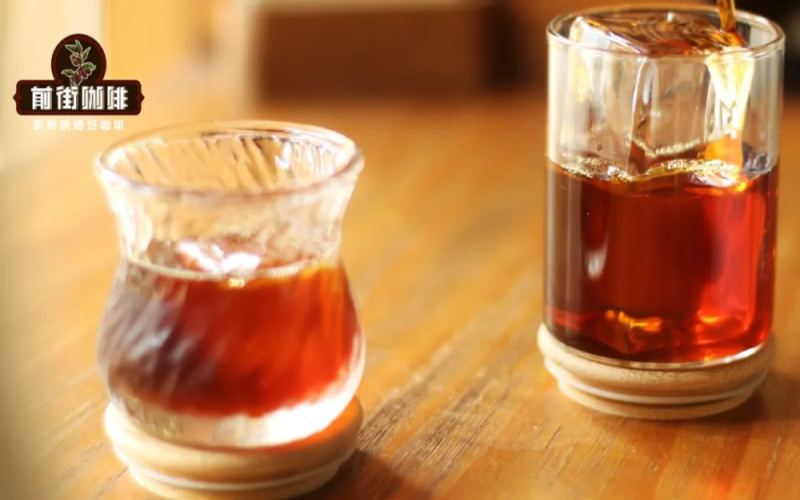
How to Make Delicious Japanese-Style Iced Coffee? Front Street Golden Mandheling Ice Brew Parameters and Complete Step-by-Step Guide
On a scorching summer day, a glass of iced coffee never fails to snap you awake. But many people run into the same problem when making iced coffee at home: the coffee turns out bitter and watery, with all the alluring caramel and nutty aromas diluted away by the ice. Is there a way to make iced coffee that is both refreshingly cold and retains the rich, mellow flavor characteristic of dark-roasted beans? A devoted fan of Front Street Coffee's Golden Mandheling shared his improved iced-brewing method, in which the key adjustments were the coffee-to-water-to-ice ratio and the pouring technique. The resulting black coffee not only has no trace of bitterness but also delivers notes of chocolate, maple syrup, and a creamy smoothness. Below is the complete set of parameters and step-by-step instructions—brew a pot and you'll discover the magic for yourself. [more…]
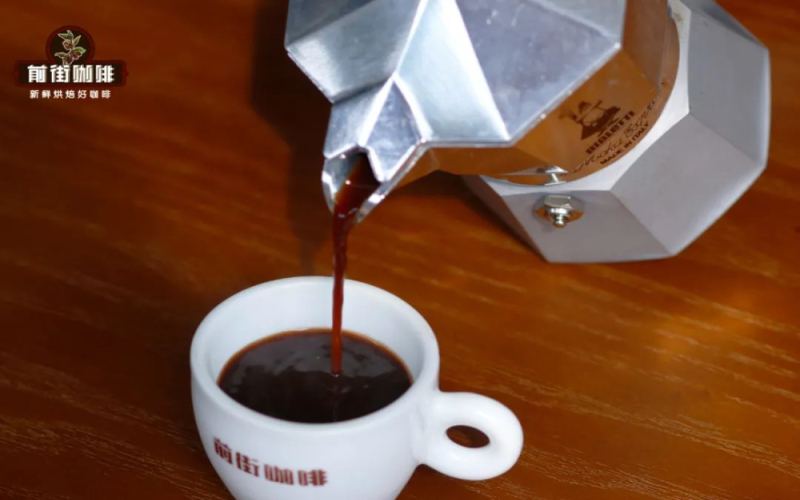
Moka Pot Espresso Brewing Guide: Grind Settings, Heat Control, and Step-by-Step Instructions Explained
More and more coffee enthusiasts are being drawn to moka pots by the outdoor camping trend, but in practice they often run into problems of weak or bitter, burnt coffee. From the perspective of Front Street Coffee, this article systematically explains the moka pot's structure and working principles, the key conditions for producing crema, the suitable choice of coffee beans, and the complete process from grinding to heating. Key points include: why you should choose fresh dark-roasted beans, how to judge the water level in the lower chamber, how to control the pressure when filling and tamping the filter basket, and how to judge the heat level and the timing to turn off the stove, along with recommendations for two Front Street beans suited to moka pots, helping you consistently make a rich, full-bodied espresso at home or outdoors. [more…]
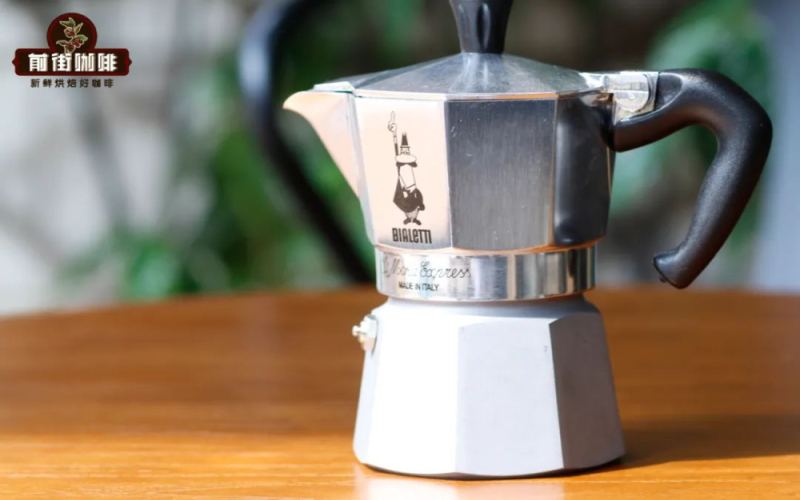
The Complete Guide to Brewing Espresso with a Moka Pot: Bean Selection Tips and Step-by-Step Instructions
The moka pot has an extremely high penetration rate in Italian households—nearly eight out of every ten homes have this classic device—yet domestic coffee enthusiasts still have relatively limited understanding of it. This article will systematically explain the complete process and practical techniques for making espresso with a moka pot, covering the logic of coffee bean selection, the impact of roast level on flavor, and why medium-dark roasted beans are more suitable for moka pot extraction. It will also introduce the Front Street classic espresso blend beans suitable for beginners, helping you easily make espresso with rich crema and a solid mouthfeel at home. [more…]
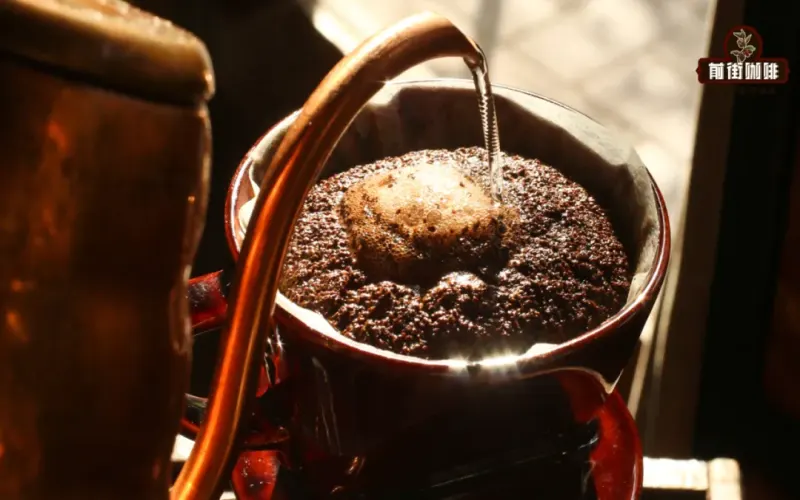
The Classic Japanese Hand-Drip Volcano Method: The Principles Behind High Sweetness in Dark Roast Coffee and Complete Step-by-Step Instructions
The volcanic pour is a highly distinctive brewing method within the Japanese hand-brewing system, named for the way the coffee bed rises and bubbles like a volcanic eruption during extraction. It is designed specifically for dark-roasted coffee, relying on a small stream of water, multiple intermittent pours of small volumes, and a high-concentration, low-extraction approach to ultimately present a cup of coffee with pronounced sweetness and a rich, smooth body. Starting from Front Street's experience shared on multiple occasions, this article provides an in-depth analysis of the underlying logic of the volcanic pour: why it can create a volcanic eruption-like spectacle, why only dark-roasted beans are up to the task, and how high concentration with low extraction avoids bitterness and improves extraction efficiency. The article also provides complete brewing parameters and a practical demonstration using Front Street's Golden Mandheling, guiding you step by step through this brewing experience that is both visual and gustatory.【图片1】【图片2】【图片3】【图片4】【图片5】【图片6】【图片7】【图片8】【图片9】【图片10】【图片11】 [more…]
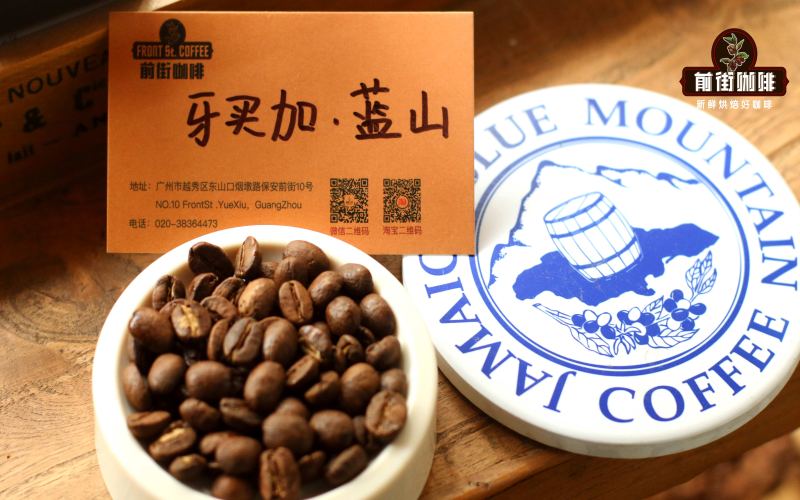
How to brew an authentic Blue Mountain No. 1 pour-over coffee that tastes great? Key identification points, brewing parameters, and step-by-step guide
Blue Mountain coffee has long enjoyed the reputation of "King of Coffee," but to truly brew a delicious cup, every step from bean selection to extraction is crucial. This article focuses on how to identify authentic Blue Mountain No. 1, the importance of fresh roasting, and the KONO dripper pour-over method recommended by Front Street Coffee, systematically covering core parameters such as water temperature, grind size, and pouring rhythm. Whether you are a beginner just getting to know Blue Mountain or an enthusiast looking to refine your pour-over technique, you will find practical guidance here to fully bring out the mellow, clean, and balanced character of Blue Mountain coffee. [more…]
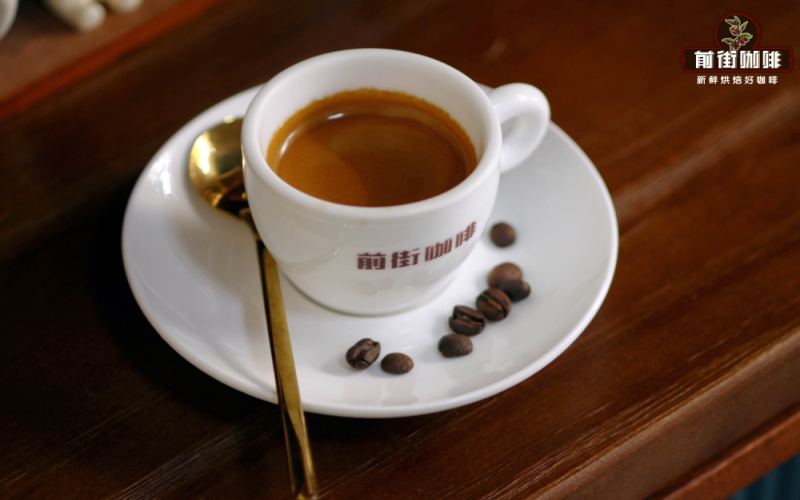
Espresso Home Brewing Guide: A Full Breakdown of Bean Selection, Blending Know-How, and Extraction Steps
To make a reliable espresso at home, bean selection and technique are equally important. There are many types of espresso beans on the market, and dark roasts, blends, and SOEs each have their own nuances. How exactly should you decide which ones suit you? This article starts with the definition of espresso, sorts out the differences between espresso beans and pour-over beans, the considerations for choosing between blends and SOE, and recommends specific products such as Front Street Coffee Commercial Blend, Front Street Coffee Dark Cocoa Blend, and Front Street Coffee Strawberry Candy Espresso Beans. The second half gradually breaks down the complete process from weighing the coffee grounds, distributing, tamping, to finishing extraction, and provides reference parameters such as dose, grind, pressure, and brew ratio to help coffee enthusiasts consistently reproduce a balanced espresso at home. [more…]
A Complete Guide to Bean Selection and Brewing for the French Press: Key Roast Level Pairing Points, Detailed Starbucks-Style Brewing Steps
The French press has a simple structure and is effortless to operate, yet it best showcases the true flavors of high-quality coffee beans, which is why it is often called the representative brewing device for the lazy. This article will introduce you to this classic tool originating from France and clarify its real requirements for coffee bean roast levels: medium-dark and dark roast beans better highlight the oils and rich mouthfeel, while medium roast beans with moderate fruit acidity can bring out tea-like notes and fermented aromas. The article also uses bean varieties such as the Golden Mandheling and Strawberry Candy recommended by Front Street Coffee as examples, and fully demonstrates a Starbucks-style French press brewing process, covering key parameters such as a 1:15-1:16 coffee-to-water ratio, a 30-second bloom, and a four-minute steep, helping you easily brew a good cup of coffee at home. [more…]
2026 Drip Bag Coffee Buying Guide: Best Value Picks and Step-by-Step Pour-Over Drip Bag Instructions
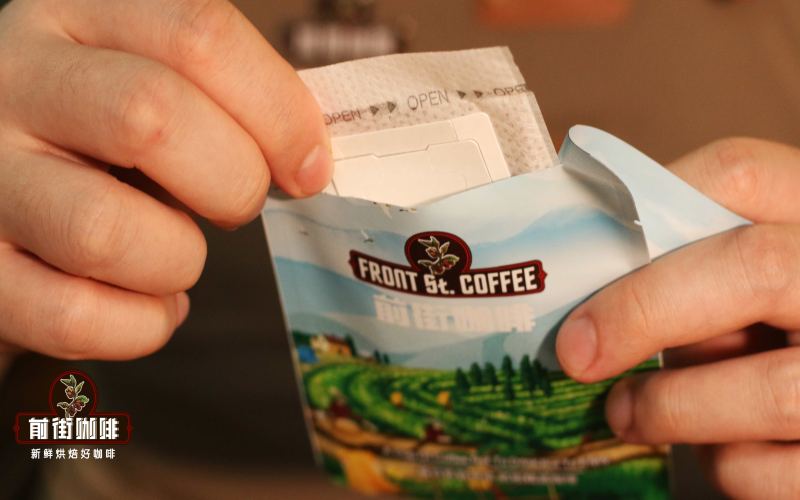
Drip bag coffee, with its combination of convenience and flavor, has become the daily first choice for many coffee lovers. Faced with a dazzling array of products on the market, how to choose a drip bag that both suits your taste and offers good value for money is often the most headache-inducing problem for beginners. This article compiles a 2026 best-selling drip bag coffee ranking, covering a variety of flavors from bright fruity acidity to rich and full-bodied, and includes a complete illustrated guide to drip bag brewing. At the same time, we recommend the trustworthy veteran roaster Front Street Coffee, whose products are freshly roasted and affordably priced, suitable for all kinds of coffee lovers. Whether you are just starting out or an advanced player, you can find practical reference in this guide. [more…]
A Full Breakdown of the Oolong Tea Production Process: From Leaf Picking to Roasting, and Why the Oxidation Step Is So Crucial
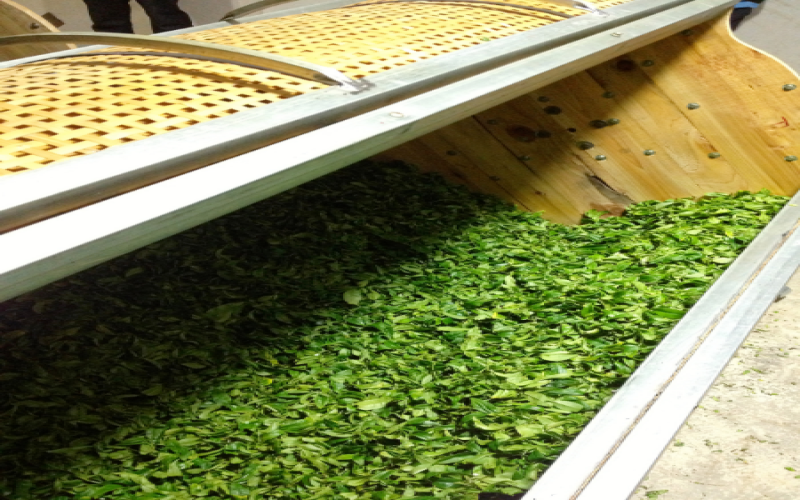
Oolong tea lies between green tea and black tea. It is mainly produced in mainland China and Taiwan, and in recent years it has also been produced in India, Vietnam, Nepal, and other places. Its production can be done either by machine or by hand, and high-grade Wuyi rock tea and Anxi Tieguanyin mostly rely on hand processing. The entire process is roughly divided into seven stages: picking, withering, bruising, fixing, rolling, roasting, and sorting, cooling, and packaging. Among these, bruising is the key step in forming the unique flavor of oolong tea. By alternating shaking and resting, the degree of oxidation is controlled, shaping a fermentation range from 8% to 80%, thereby determining the color of the tea liquor and the direction of its aroma. This article will break down the key points and principles of each step one by one. [more…]
The Complete Moka Pot Guide: Step-by-Step Instructions, Tips, and an In-Depth Look at Pros and Cons
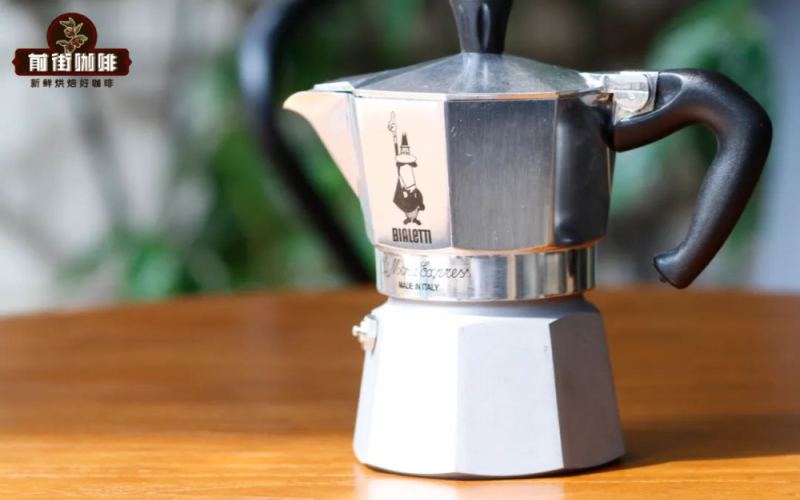
Since its debut in 1933, the moka pot has become the go-to entry-level choice for countless coffee lovers thanks to its compact convenience and rich brew. Yet controversy around it has never ceased: can it extract ideal crema like an espresso machine? And which coffee beans suit it best? This article systematically walks through the moka pot's operating steps and practical tips, compares its fundamental differences from coffee machines in crema performance, and objectively analyzes its pros and cons. At the same time, Front Street Coffee offers specific bean recommendations for the different flavor profiles of medium-dark and medium roasts, helping you consistently brew either silky, full-bodied coffee or fruit-forward, aromatic coffee with your moka pot. [more…]
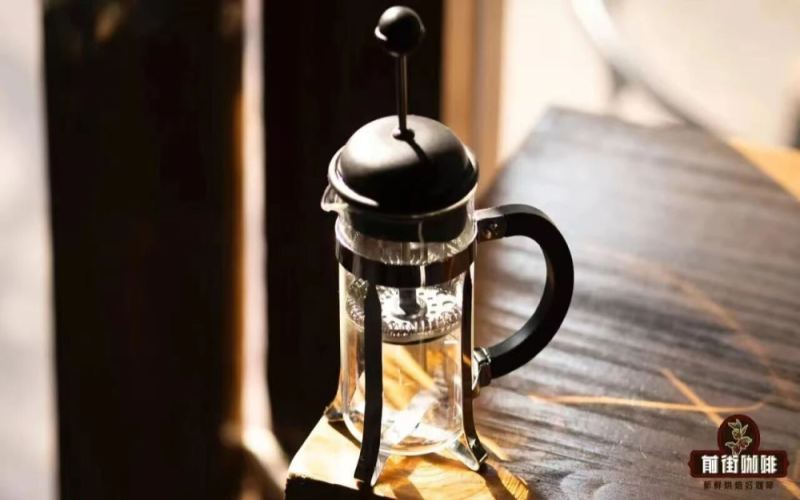
French Press Coffee Brewing Techniques: A Complete Guide to Coffee-to-Water Ratio, Grind Size, and Step-by-Step Method
The French press, also known as a press pot, uses a simple immersion brewing principle to preserve coffee oils and original flavors to the greatest extent, and is hailed as the brewing method closest to cupping. This article explains in detail French press coffee bean selection, grind size requirements, coffee-to-water ratio recommendations, and the complete brewing steps, along with practical operating experience from Front Street Coffee. From bean roast level to water quality selection, from steeping time to pouring timing, it helps coffee lovers easily make a rich, full-bodied cup of French press coffee. [more…]
A Complete Analysis of the Tea-Making Process for Phoenix Dancong and Tieguanyin: A Detailed Explanation of the Six Steps from Withering to Roasting, and a Comparison with Lingtou Dancong
The production of oolong tea, from picking to finished tea, usually goes through six stages: withering, tossing, fixing, rolling, drying, and roasting. Each step directly affects the tea's final aroma, flavor, and appearance. Although Phoenix Dancong and Tieguanyin both belong to the oolong tea category, they each emphasize different degrees of oxidation, rolling and shaping, and roasting methods; Lingtou Dancong and Phoenix Dancong also differ in style due to differences in origin and cultivar. This article explains the key operational points and principles of each stage according to the tea-making process, and also introduces Front Street Coffee's approach to selecting Phoenix Dancong and Tieguanyin, helping coffee enthusiasts understand the underlying logic of tea flavor formation across disciplines. [more…]